
At a glance
Key facts
The essentials to compare before deciding whether this breed fits your home and routine.
- Size
- Small
- Lifespan
- 12 to 15 years
- Energy
- Medium to high
- Temperament
- Bold, busy and surprisingly strong willed for its size
- Good with children
- Often good, best with children who respect a small dog
- Exercise
- About an hour a day plus games that use its brain
- Trainability
- Moderate
- Grooming
- A weekly brush over a short, low maintenance double coat
- Estimated monthly cost, GBP
- £75 to £130 per month
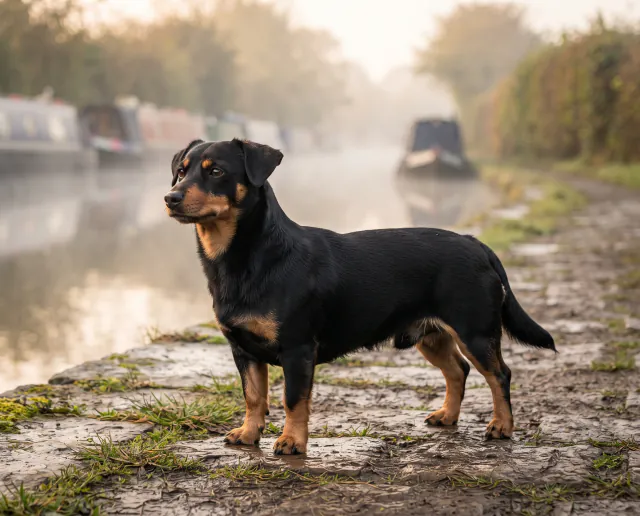
Farmers around Ormskirk once used a low, quick dog to move cattle to market, nipping at heels and darting clear of a kicking hoof before it landed. That dog is the Lancashire Heeler, thought to combine old Welsh Corgi stock with local terriers, and the working brief left a permanent mark on the breed’s character. It is small enough to sit on a lap and confident enough to argue with a dog three times its size, a combination that surprises people meeting one for the first time.
The UK Kennel Club now lists the Lancashire Heeler among its vulnerable native breeds, with annual registrations low enough to threaten the breed’s long term future. Anyone drawn to the type should expect a longer search and a genuine wait rather than a puppy available on demand, and should treat that scarcity as a reason to support careful, health tested breeding rather than to look for a shortcut.
Temperament in the home
Heelers are alert, busy and often quite vocal about anything happening near the house, a trait carried over from a job that involved warning of strangers as much as moving cattle. They tend to bond closely with their own household and can be reserved with people they do not know, without tipping into genuine nervousness in a well socialised dog. The breed gets on reasonably with children who understand that a small dog is not a toy, though boisterous handling or being picked up carelessly can provoke a sharp response. Other pets generally coexist well once the dog has learned the household rules, though the old herding habit of nipping at moving heels sometimes resurfaces with children running about the garden.
Exercise and training
An hour of exercise most days suits an adult well, split between a proper walk and time spent using its nose or chasing a toy in the garden. The breed’s energy is real for its size, and a Heeler given only a short trip round the block tends to find its own entertainment indoors, which owners rarely enjoy as much as the dog does. Training benefits from an early, patient approach, since the breed can be independent minded and will test which rules actually apply. Food rewards and short, varied sessions work better than repetition, and recall deserves particular attention given the strong prey drive many individuals show towards squirrels, rabbits and anything that runs.
Coat and grooming
The coat is short, flat and weatherproof, needing only a weekly brush to stay tidy and remove loose hair. Shedding is moderate through most of the year with a heavier drop in spring and autumn, manageable with slightly more frequent brushing during those weeks. Bathing is rarely needed beyond an occasional clean after a muddy walk. Nails wear down less on a small dog that spends time on soft ground, so regular trimming should be part of the routine, along with the usual attention to ears and teeth. This is one of the lower maintenance coats among working breeds, which suits owners who want a tidy small dog without a long grooming commitment.
Health and lifespan
Two inherited conditions matter most for this breed, and both have DNA tests available through recognised laboratories. Collie eye anomaly, often shortened to CEA, affects the development of the eye and can be screened for in breeding stock. Primary lens luxation, or PLL, causes the lens to become detached later in life and is painful if untreated, so knowing the DNA status of both parents matters considerably before buying a puppy. Patellar luxation, a loose kneecap common in many small breeds, is worth asking about too. Given careful health screening, Lancashire Heelers commonly live well into their teens, among the longer lived small breeds, and weight control through a working life helps protect joints that carry a compact but muscular frame.
Costs and space
Running costs sit at the lower end for a small dog, typically in the region of seventy five to a hundred and thirty pounds a month across food, insurance and routine veterinary care, though the range shifts with region, insurer and the individual dog. Grooming adds little to that figure given the low maintenance coat. Space requirements are modest, and the breed adapts well to a small house or a flat provided daily exercise genuinely happens. A garden gives useful extra outlet for a dog with energy to spend, though it is not essential. Finding a puppy takes patience given how few litters are bred each year, and the breed club is the sensible starting point for anyone serious about owning one.
Verdict
The Lancashire Heeler suits an active small home that wants a tough, characterful dog without a demanding coat, and that is prepared to wait for a puppy from a health tested litter. It works well for owners who enjoy a dog with genuine personality rather than a passive lap companion.
It is a poor match for households wanting a placid, undemanding pet, for very young children left unsupervised with a small assertive dog, or for anyone unwilling to commit to the DNA testing that responsible breeding of this breed depends on.