
Building confidence without forcing exposure
How to build confidence in a naturally cautious dog through choice, predictability and low-stakes repetition, and why forcing exposure tends to produce the opposite effect.
Read the guideFind dog advice
Start typing to search.
Show all resultsAdvice
Reading body language, understanding common behaviour, and knowing when a problem needs professional assessment.
21 articles
How to build confidence in a naturally cautious dog through choice, predictability and low-stakes repetition, and why forcing exposure tends to produce the opposite effect.
Read the guide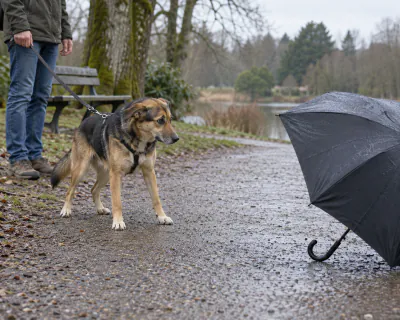
How to tell mild wariness apart from significant fear, and why forcing a fearful dog towards what scares them usually backfires.
Read the guide
Why a dog can react strongly to something ordinarily manageable simply because it is the fourth stressful thing that day, and how to plan around it.
Read the guide
The escalation ladder from subtle early stress signals through to growling and snapping, and why catching the early signs matters more than reacting to the late ones.
Read the guide
How to recognise resource guarding, keep everyone safe around it, and why it needs an individual behaviourist assessment rather than home fixes.
Read the guide
How to read your dog's comfortable distance from unfamiliar dogs, manage everyday encounters proactively, and tell simple disinterest apart from fear or reactivity.
Read the guide
Why arranging the environment so the safe option is the easy one, and reinforcing a dog's own good choices, works better than only correcting after an unwanted one.
Read the guide
How to keep walking a dog safely and fairly while working with a trainer or behaviourist on reactivity, fear or a similar issue, without undoing the plan they have given you.
Read the guide
What to have ready before a session with a qualified behaviourist, from a written history and video footage to realistic goals and questions worth asking.
Read the guide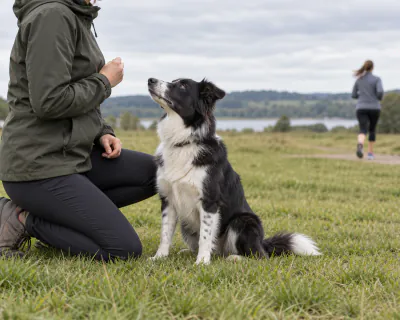
How to teach a dog a specific behaviour to perform when a trigger appears, built to fluency away from the trigger first, instead of only managing or suppressing the unwanted response.
Read the guide
Why dogs bark in different situations for different reasons, and why identifying the type matters before trying to change it.
Read the guide
Why chewing is normal at every life stage, how to redirect it safely, and when it signals boredom or anxiety.
Read the guide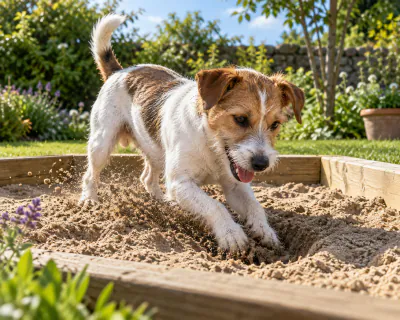
The common reasons dogs dig, why punishing it after the fact rarely works, and how to channel the behaviour sensibly.
Read the guide
Why under-stimulation is a genuine welfare issue, the signs to watch for, and how to build variety into a dog's week beyond the daily walk.
Read the guide
A practical guide to introducing dogs at home or on neutral ground, reading how it is going, and knowing when to slow down or get help.
Read the guide
Why dogs jump up to greet people, and why consistency across the household matters more than any single technique.
Read the guide
Practical day-to-day management for a settled multi-dog household, from feeding and resources to spotting early tension between housemates.
Read the guide
How to recognise noise stress in dogs, manage it during fireworks and storms, and know when it needs more than home management.
Read the guide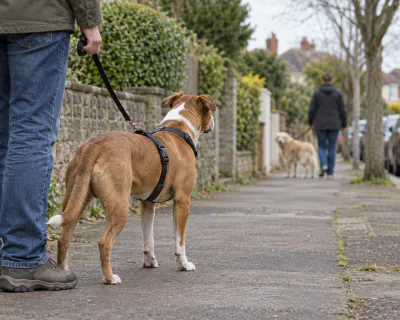
What reactivity actually is, why it happens, and why meaningful improvement needs individual professional assessment rather than a generic online plan.
Read the guide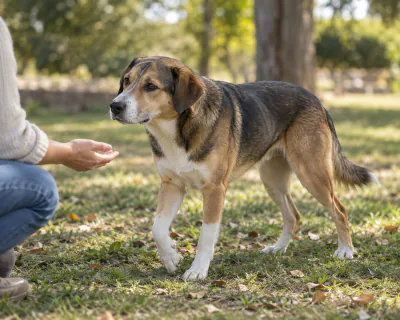
A practical guide to reading a dog's calming signals, play signals and warning signs before they escalate.
Read the guide
How to recognise situations that need professional help, how a good referral pathway works, and what to look for and avoid when choosing help.
Read the guide