At a glance
Key facts
The essentials to compare before deciding whether this breed fits your home and routine.
- Size
- Toy
- Lifespan
- 12 to 14 years
- Energy
- Low to medium
- Temperament
- Dignified, independent and surprisingly self possessed
- Good with children
- Better suited to older children who respect a dignified small dog
- Exercise
- Two short walks a day, avoiding heat and humidity
- Trainability
- Moderate
- Grooming
- Daily combing through a heavy coat, with facial fold care
- Estimated monthly cost, GBP
- £75 to £130 per month
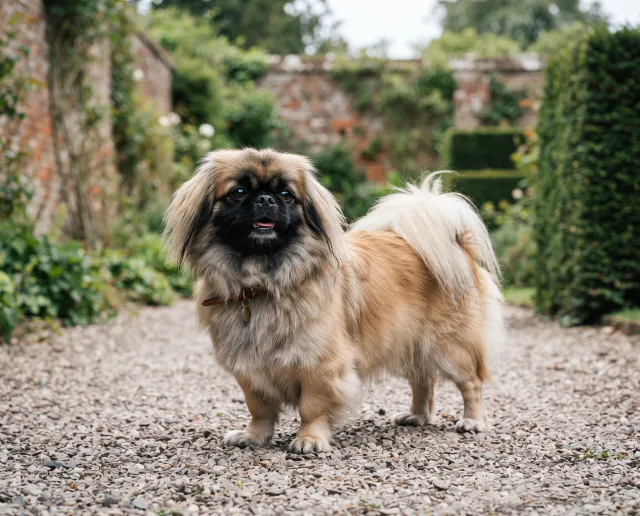
Carrying dogs by hand was a serious matter in the Imperial Chinese court, and the smallest, most heavily coated lion like dogs were reserved for the innermost circles of the palace, carried inside the sleeves of royal robes. The Pekingese descends directly from that tradition, bred purely for status and companionship rather than any working task, and it has never quite lost the sense of its own importance. A Pekingese moves at its own pace, considers most instructions optional, and expects rather than begs for attention.
That dignity sits alongside a body shape that needs careful, informed ownership. The flattened face, heavy front assembly and low slung build that define the breed’s look also carry real consequences for breathing, joints and heat tolerance, and the Kennel Club includes the breed in its Breed Watch category for points of conformation that can affect health. None of that makes the Pekingese a poor choice, but it does mean choosing a breeder who prioritises a moderate muzzle and open nostrils over an extreme, flat profile.
Living with the breed
Inside the house the Pekingese is calm, self possessed and often surprisingly stubborn, more inclined to negotiate than obey outright. Many form a strong bond with one person while remaining politely tolerant of everyone else, and the breed generally prefers a settled routine to constant novelty. Snoring and noisy breathing at rest are part of daily life with a flat faced dog and should be treated as normal background noise, though a marked change in breathing pattern deserves a vet’s attention. The heavy coat and low build mean the breed struggles in hot rooms, so a cool spot away from radiators and direct sun matters as much as any bed. Children wanting a boisterous playmate will find the Pekingese unwilling to oblige, and small people around the house need to understand that this is a dog handled gently rather than chased.
Recommended products
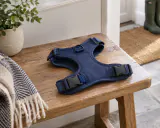
Everyday harness
Julius-K9 IDC Powerharness
Padded harness with a back handle, in sizes from 3XS to 3XL.
View product : Julius-K9 IDC Powerharness at Amazon, affiliate link, opens in a new tab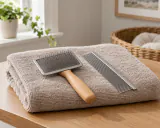
Slicker brush
Ancol Ergo Universal Slicker
Slicker brush with angled pins, in three sizes.
View product : Ancol Ergo Universal Slicker at Amazon, affiliate link, opens in a new tabComb
Ancol Ergo Double Sided Comb
Double-sided comb for finding the knots a brush has missed.
View product : Ancol Ergo Double Sided Comb at Amazon, affiliate link, opens in a new tab
Daily exercise
Two brief, unhurried walks a day suit the breed far better than one long outing, and hot or humid weather is a reason to walk early, late, or not at all. Watch the dog rather than the clock, since laboured breathing, gagging sounds or reluctance to continue are signs to head home immediately rather than push on. Flat pavements and shaded routes are kinder on the joints and the airway than hills or long grass, and swimming is not something to encourage given the breed’s build. Most Pekingese are content with modest activity and make poor candidates for long hikes or any sustained exercise, whatever their evident enthusiasm at the start of a walk.
Training and mental work
Training a Pekingese calls for patience rather than repetition, since the breed learns quickly but sees little reason to comply once the lesson is understood. Short, reward based sessions that end on a success work far better than drilling a command until the dog tunes out. Basic manners, calm handling for grooming and vet visits, and a reliable settle command are more useful goals than elaborate tricks, though a motivated Pekingese can manage those too. Food and gentle praise motivate most individuals more than firm correction, which tends to produce a dog that simply disengages. Mental stimulation through scent games and food puzzles suits a breed that would rather think its way to a reward than run for one.
Grooming and shedding
The long, heavy outer coat and dense undercoat need daily attention to prevent matting, particularly behind the ears, under the front legs and around the trousers at the back end. A metal comb worked right down to the skin, rather than a quick surface brush, is the only way to catch early tangles before they become painful mats. Shedding is heavy and continuous, with a marked increase during seasonal coat changes. The facial folds and the skin around the prominent eyes need regular checking and gentle cleaning, since moisture trapped in folds can lead to soreness and infection. Eyes deserve daily attention given how exposed they sit in the skull, and any redness, cloudiness or excessive watering warrants a same day call to the vet rather than a wait and see approach. Nails and the hair between the pads need trimming, since a heavily coated foot collects debris easily.
Health and costs
Brachycephalic obstructive airway syndrome is the central health issue for the breed, caused by narrowed nostrils and excess soft tissue in a shortened skull, and it can range from mild snoring to serious breathing distress requiring surgery. Buyers should ask whether the parents have been assessed under the Kennel Club respiratory function grading scheme, and should be wary of a breeder who cannot answer the question. Eye problems, including ulcers linked to the shallow socket and prominent globe, are common enough to expect and should prompt fast veterinary attention when they occur. Elongated soft palate and pinched nostrils often accompany the airway syndrome and are sometimes corrected surgically to real benefit. Spinal disc problems occur in a breed with this body proportion, so sudden reluctance to jump or climb stairs is worth investigating promptly. Monthly costs typically run from seventy five to one hundred and thirty pounds, though insurance and the possibility of airway or eye surgery mean the real figure varies between individual dogs.
Verdict
The Pekingese suits an owner who wants a calm, dignified companion, is realistic about the breed’s conformation related health needs, and can offer a cool, unhurried home rather than an active outdoor lifestyle. Those who research breeders carefully and prioritise a moderate, open faced dog give themselves the best start.
Anyone wanting a biddable, hot weather tolerant or energetic dog should look elsewhere, and a Pekingese bought purely for its flattened, doll like face without regard to breathing is the scenario its health problems most often trace back to.
Recommended equipment
Chosen from the Pekingese’s size, coat, grooming and exercise needs rather than from any one dog, so check the fit for yours. Each links to a researched buying guide that compares the options and says what each is less suited to.
Harness
Best Dog Harnesses for Everyday Walks
For a small dog, start with a light harness that fits snugly, and measure before you buy, because sizes differ between makers.
Based on Size: Toy
Compare every pick in Best Dog Harnesses for Everyday WalksWhere to start
Best for light everyday walks and small dogs
Ruffwear Hi & Light Lightweight Dog Harness
Collar and ID tag
Best Dog Collars UK: everyday fit and safety
The collar carries the identification tag, so it stays on even when the lead clips to a harness. A small neck suits a light, narrow collar, sized so the dog sits in the middle of its range.
Based on Size: Toy
Compare every pick in Best Dog Collars UK: everyday fit and safetyWhere to start
Best for puppies and small dogs that need a light collar
Ruffwear Hi & Light Lightweight Dog Collar
Coat care
Best Dog Grooming Brushes
A double coat has a dense undercoat beneath longer guard hairs. A deshedding tool reaches the undercoat, used gently and within its maker’s limits, and a slicker keeps the longer hair free of tangles.
Based on Coat type: Double · Coat length: Long · Shedding: High
Compare every pick in Best Dog Grooming BrushesWhere to start
Best for heavy seasonal shedders
FURminator Undercoat deShedding ToolBest for medium, long, wool and wiry coats
Mikki Easy Clean Slicker
Nail care
Best Dog Nail Clippers and Grinders
Fine claws suit a scissor-style clipper, which makes it easy to see exactly where you are cutting.
Based on Size: Toy
Compare every pick in Best Dog Nail Clippers and GrindersWhere to start
Best for small dogs and puppies with fine claws
Mikki Classic Scissor Claw Clipper
Bathing
Best Dog Shampoos
Brush and comb a coat like this out before the bath, because water tightens a knot into a mat, then wash it with a shampoo chosen for long coats.
Based on Coat length: Long · Grooming need: High
Compare every pick in Best Dog ShampoosWhere to start
Best for long coats that tangle between grooms
Animology Hair of the Dog Anti-Tangle Dog Shampoo