At a glance
Key facts
The essentials to compare before deciding whether this breed fits your home and routine.
- Size
- Medium
- Lifespan
- 10 to 12 years
- Energy
- Low to medium
- Temperament
- Aloof, dignified and fiercely independent minded
- Good with children
- Better suited to older children who respect its space
- Exercise
- About 45 minutes of steady walking, avoiding the heat
- Trainability
- Experienced handler
- Grooming
- Thorough brushing several times a week through a dense double coat
- Estimated monthly cost, GBP
- £95 to £165 per month
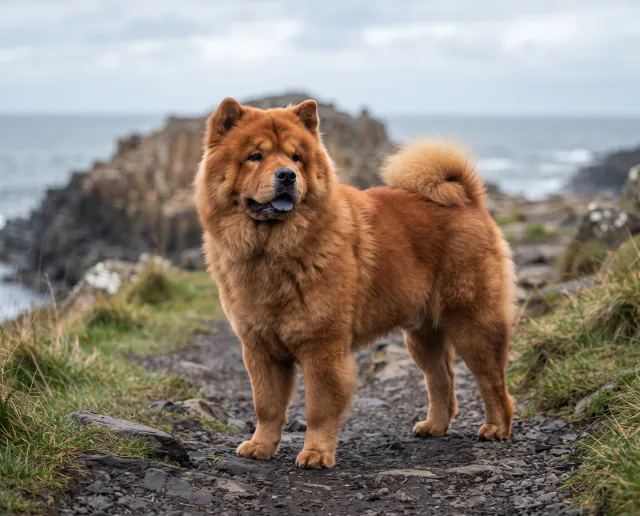
A Chow Chow’s tongue is blue black, a trait shared with only one other widely recognised breed, the Chinese Shar Pei, and it is one of several features that make the Chow instantly recognisable even among China’s many ancient dog types. Bred for centuries as a general purpose working dog, used variously for hunting, pulling and guarding in northern China, the breed’s thick coat, deep set eyes and distinctive stilted gait all point to a dog built for cold climates and independent work rather than close cooperation with a handler.
That independence has carried straight through into the modern temperament. A Chow Chow behaves less like a typical companion breed and more like a self possessed housemate who happens to tolerate humans on its own terms, and owners drawn to the breed’s leonine looks sometimes underestimate how much that aloofness shapes daily life. Understanding the breed honestly, rather than through its striking appearance alone, matters enormously before committing to one.
Temperament in the home
Chow Chows are typically calm, quiet and notably undemonstrative, showing affection through proximity rather than obvious enthusiasm, and many owners describe the breed as cat like in its independence. Strangers are met with suspicion rather than friendliness, and the breed’s guarding instinct, though rarely aggressive without cause, means introductions to visitors need managing rather than assuming will go smoothly. Other dogs, particularly of the same sex, can trigger real conflict, and careful, gradual introductions matter throughout the dog’s life rather than only in puppyhood. With its own family the Chow is generally settled and undemanding, content to observe household life from a favoured spot rather than seek out constant interaction, and this suits owners who want a low key presence rather than an attention seeking companion.
Exercise and training
Around forty five minutes of steady walking suits most adult Chow Chows, and the breed has never been built for speed or sustained aerobic work, preferring a measured pace to anything approaching a run. Heat is a genuine hazard given the dense double coat, and exercise needs shifting to cooler parts of the day for much of the British summer, with hot afternoons avoided altogether. Training calls for patience, since the breed’s independent streak means repetition without clear motivation produces very little progress, while short, reward based sessions that respect the dog’s own pace tend to work better. Socialisation from early puppyhood, kept up consistently rather than treated as a task completed once, makes a genuine difference to how the adult dog handles strangers, other dogs and normal daily disruption.
Coat and grooming
The dense double coat, standing well off the body with a distinctive ruff around the neck, needs thorough brushing several times a week to reach down to the undercoat rather than skating over the surface, and mats form quickly behind the ears, under the legs and around the tail if grooming lapses. Twice yearly coat changes bring a marked increase in shedding, and daily brushing through those periods makes a real difference to the volume of loose hair in the house. Facial wrinkles, where present, need checking and cleaning to prevent moisture related soreness, and the area around the eyes deserves particular attention given the breed’s tendency toward eyelid problems. Nails, ears and teeth need the routine care any dog of this size requires, and professional grooming every couple of months is worth budgeting for even with regular brushing at home.
Health and lifespan
Ten to twelve years is a fair general expectation, though individual dogs vary. Entropion, where the eyelid rolls inward and the lashes rub against the cornea, is well documented in the breed and can cause real discomfort and corneal damage if left untreated, so any persistent squinting, redness or watering in a Chow’s eye needs prompt veterinary assessment rather than a wait and see approach, and surgical correction is often straightforward when caught early. Hip dysplasia occurs in the breed, and hip scoring under the British Veterinary Association and Kennel Club scheme gives a useful, comparable figure to ask breeders about. Heat intolerance follows directly from the dense coat and relatively short muzzle, and heatstroke is a real risk during warm weather that owners need to take seriously rather than treat as an inconvenience. Skin fold problems and ear infections can develop in dogs with heavy coat around the head, so routine checks matter.
Costs and space
Grooming drives much of the ongoing cost for this breed, whether through equipment and time invested at home or through professional sessions, and this should be factored in alongside food, insurance and routine veterinary care. A working estimate of around ninety five to one hundred and sixty five pounds a month is reasonable, though eye surgery or significant dental work can add meaningfully to that figure in a given year. A medium sized home with a cool, shaded spot for warm weather suits the breed better than cramped or particularly hot accommodation, and a secure garden matters more for the breed’s guarding instincts than for exercise space, since the Chow is not a breed that needs to run.
Verdict
The Chow Chow suits an experienced, patient owner who wants a dignified, low energy companion, is prepared to manage a demanding coat and a genuinely independent temperament, and can commit to careful lifelong socialisation. The bond such an owner gets in return is real, if expressed quietly.
First time owners, households wanting a sociable dog with visitors, or anyone unwilling to commit serious time to coat care should choose a different breed, since the Chow Chow’s most distinctive qualities are also the ones that make it a genuinely specialist choice.