

Medication safety and accidental ingestion
Why human medication is never safe to give a dog without veterinary instruction, and what to do if you suspect your dog has eaten something dangerous.
Read the guideFind dog advice
Start typing to search.
Show all resultsAdvice
Everyday health awareness, routine checks and knowing when something needs a vet rather than watching it.
19 articles
Why human medication is never safe to give a dog without veterinary instruction, and what to do if you suspect your dog has eaten something dangerous.
Read the guide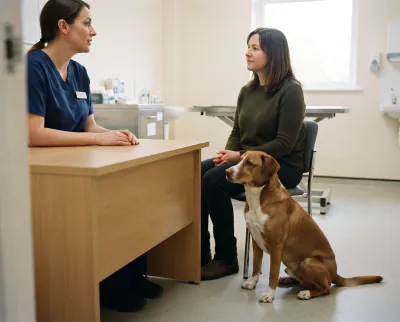
Why neutering timing and the decision itself are increasingly discussed as individual choices to make with a vet rather than a default.
Read the guide
Why vaccination happens in a course, what core and non-core mean, and why exact schedules depend on where you live rather than one universal timetable.
Read the guide
Which dogs feel the cold most, practical protective steps for winter walks, and how to tell early cold stress from a genuine emergency.
Read the guide
How to build a realistic tooth-brushing habit and recognise the signs that mean a dental problem needs a vet rather than a toothbrush.
Read the guide
How to check a dog's ears safely, what a healthy ear looks like, and which signs mean a vet visit rather than a home cleaning routine.
Read the guide
What a sensible basic canine first aid kit contains, and the clear limits of what home first aid should attempt before reaching a vet.
Read the guide
How to observe and describe a change in a dog's movement usefully, and why both sudden and gradual mobility changes deserve a veterinary check.
Read the guide
How to tell a dog's nails are too long, build tolerance for trimming, and decide between doing it yourself and booking a professional.
Read the guide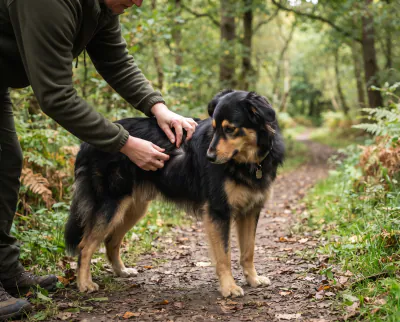
Why prevention beats treating an established infestation, and why product choice and frequency should come from your vet rather than a generic routine.
Read the guide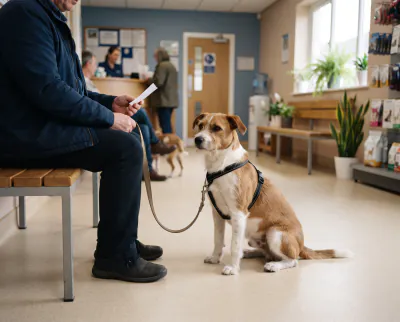
How to prepare a written history, the right paperwork and a calm dog so a routine or non-urgent vet visit is genuinely useful.
Read the guide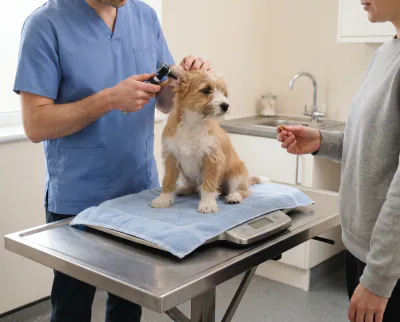
What a puppy's early vet visits typically cover, and which early-weeks signs mean it is time to call before the next scheduled appointment.
Read the guide
The behavioural and physical signs that suggest a dog is uncomfortable, and why they are a reason to book a vet visit rather than to guess a cause.
Read the guide
A simple weekly and monthly routine for knowing what normal looks like on your dog, so genuine change gets noticed early.
Read the guide
Why older dogs often benefit from more frequent vet monitoring, and which changes are easy to dismiss as simple ageing.
Read the guide
A scannable reference for telling emergency signs apart from concerning-but-not-always-urgent ones, so you know how quickly to act.
Read the guide
A simple hands-on routine for spotting changes in a dog's skin and coat early, and knowing which findings need a vet look.
Read the guide
How dogs regulate heat, which dogs face higher risk, and how to tell early heat stress from a genuine heatstroke emergency.
Read the guide
What to note down in the moment a symptom worries you, so a phone triage can prioritise your dog correctly.
Read the guide