Building confidence without forcing exposure
How to build confidence in a naturally cautious dog through choice, predictability and low-stakes repetition, and why forcing exposure tends to produce the opposite effect.
Read guideFind dog advice
Start typing to search.
Show all resultsGuides
Clear steps for training, puppy care, everyday routines and choosing useful gear.
Showing 142 of 142 guides
Refine results
Showing 142 of 142 guides
Refine results
How to build confidence in a naturally cautious dog through choice, predictability and low-stakes repetition, and why forcing exposure tends to produce the opposite effect.
Read guide
A balanced look at what electronic collars actually are, the genuine disagreement between professional camps, what controlled research has and has not shown, and the legal and welfare factors a reader needs before considering one.
Read guide
How to tell mild wariness apart from significant fear, and why forcing a fearful dog towards what scares them usually backfires.
Read guide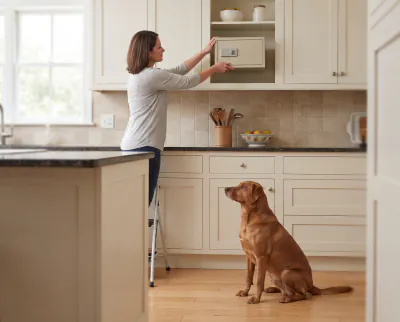
Why human medication is never safe to give a dog without veterinary instruction, and what to do if you suspect your dog has eaten something dangerous.
Read guide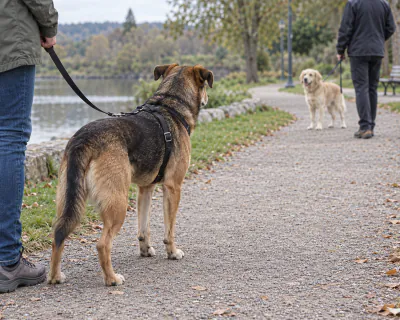
Barking and lunging on a lead can come from genuinely different causes in different dogs. This guide explains the distinctions so you can describe what you see accurately to a professional.
Read guide
Why a dog can react strongly to something ordinarily manageable simply because it is the fourth stressful thing that day, and how to plan around it.
Read guide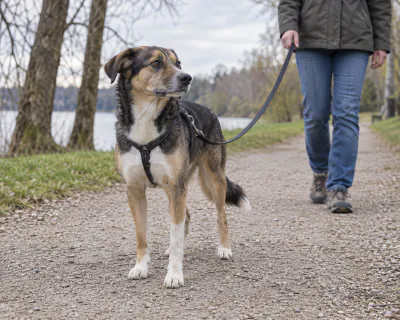
The escalation ladder from subtle early stress signals through to growling and snapping, and why catching the early signs matters more than reacting to the late ones.
Read guide
How to recognise resource guarding, keep everyone safe around it, and why it needs an individual behaviourist assessment rather than home fixes.
Read guide
Why neutering timing and the decision itself are increasingly discussed as individual choices to make with a vet rather than a default.
Read guide
Why vaccination happens in a course, what core and non-core mean, and why exact schedules depend on where you live rather than one universal timetable.
Read guide
Why prescription diets are formulated for a diagnosed condition, and why they are not an off-the-shelf choice for a healthy dog.
Read guide
Why stopping something happening right now and changing what a dog is likely to do next time are genuinely different jobs, and why a plan needs both.
Read guide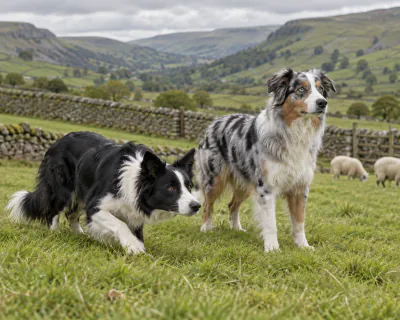
Two highly driven herding breeds often chosen for the same active lifestyle, with real differences in coat, size and working style.
Read guide
These are two distinct spaniel breeds of different size, head shape and rarity, not the same dog under two names, and the differences affect health, exercise and how long you might wait for a puppy.
Read guide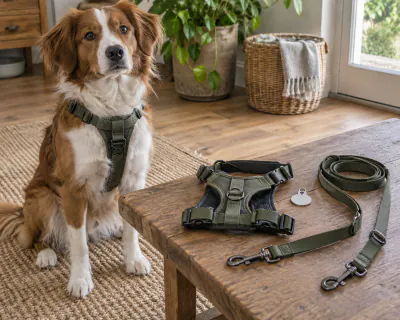
Why control, communication and safety are three separate jobs, why no single item does all three, and how to work out what a specific dog actually needs.
Read guide
How a Cocker Spaniel and Poodle cross compares with a Cavalier King Charles Spaniel and Poodle cross across energy, grooming and health.
Read guide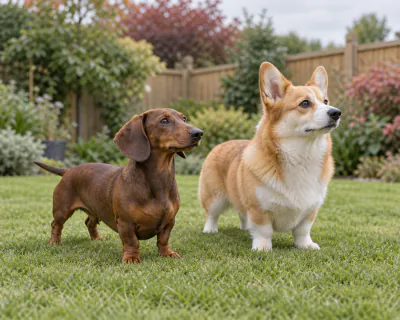
Both breeds carry a long back on short legs and a real risk of spinal disc disease, but a scent hound bred to go underground and a cattle dog bred to drove livestock behave very differently day to day.
Read guide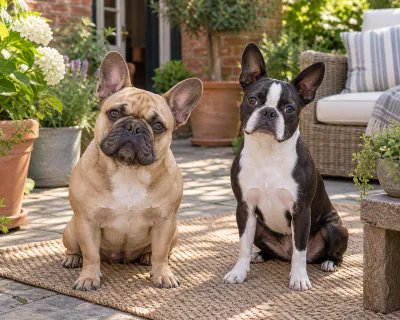
Comparing two popular small flat-faced breeds on temperament, exercise, grooming and the health considerations that come with a shortened muzzle.
Read guide
A comparison of two large, intelligent herding breeds bred for working roles, covering temperament, exercise, coat variety and suitability.
Read guide
How to read your dog's comfortable distance from unfamiliar dogs, manage everyday encounters proactively, and tell simple disinterest apart from fear or reactivity.
Read guide
Why arranging the environment so the safe option is the easy one, and reinforcing a dog's own good choices, works better than only correcting after an unwanted one.
Read guide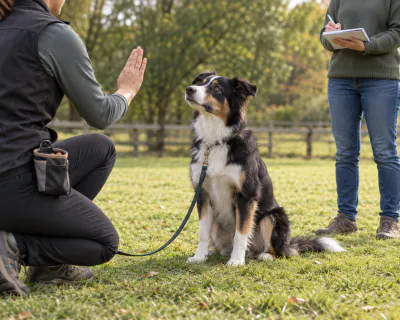
A practical set of questions and things to watch for when choosing a trainer, organised by what actually predicts a good outcome rather than by which label a trainer uses.
Read guide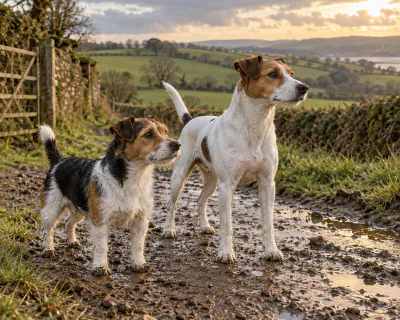
A side-by-side look at two officially separate terrier breeds that share a name and a history but differ in build, exercise needs and daily management.
Read guide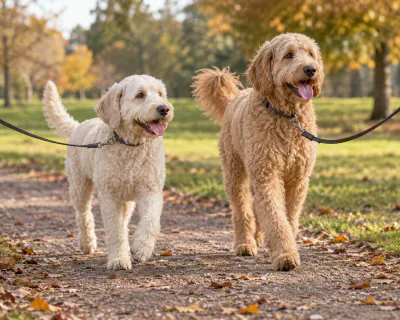
Both are Poodle crosses with no fixed breed standard and genuinely variable outcomes litter to litter, but their usual retriever parent breeds differ enough in typical size and history to matter when choosing between them.
Read guide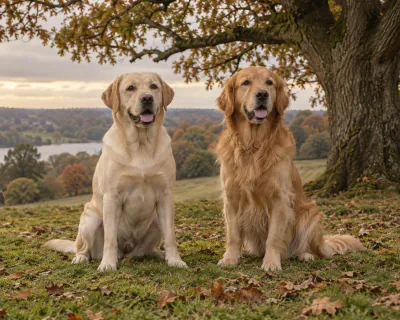
A side-by-side look at two closely related retriever breeds, comparing coat care, exercise, temperament and cost to help you choose between them.
Read guide
Both are small, white, low-shedding companion breeds, but they differ enough in grooming routine, trainability and suitability for children to be worth comparing carefully.
Read guide
Why size and strength change what is at stake in everyday training, what equipment and handling adjustments genuinely help, and why professional support is worth seeking earlier for these dogs.
Read guide
How to keep walking a dog safely and fairly while working with a trainer or behaviourist on reactivity, fear or a similar issue, without undoing the plan they have given you.
Read guide
A lure and a cue are not the same thing, and treating them as interchangeable is why some dogs only respond when they can see the food. Here is the fading sequence that actually builds a verbal cue.
Read guide
What to have ready before a session with a qualified behaviourist, from a written history and video footage to realistic goals and questions worth asking.
Read guide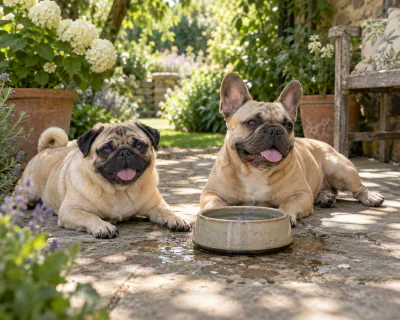
How the Pug and French Bulldog compare on exercise, grooming, shedding and the shared health considerations that come with a shortened muzzle.
Read guide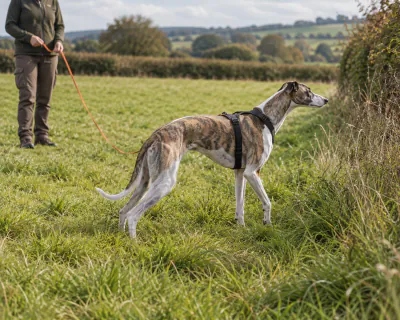
Why a dog in full pursuit of a rabbit or a cat is not simply being disobedient, what genuinely helps, and why no method offers a guarantee with a high-drive individual.
Read guide
What these three labels actually mean, where they overlap, and why the label a trainer uses matters less than what they actually do.
Read guide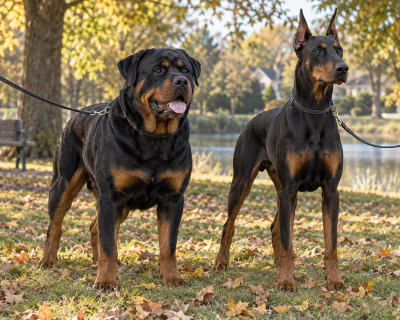
Two powerful German breeds often shortlisted together for a confident, protective dog, with real differences in build, coat and closeness to the household.
Read guide
Two small, long-coated companion breeds from Tibetan monasteries with very different temperaments underneath a similar look.
Read guide
Two Arctic sled dogs that look alike from a distance but were bred for opposite jobs, with different size, exercise demands and space needs.
Read guide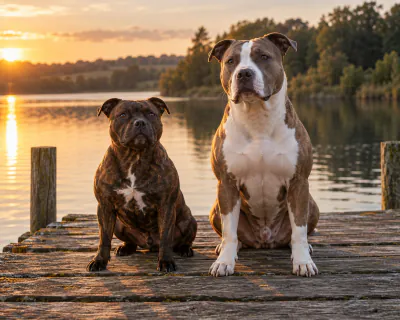
Two bull-type terriers that share a name and a history but differ in size, legal recognition and everyday handling demands.
Read guide
How clear cues, consistent boundaries, management, reward and proportionate correction fit together into one working system rather than competing methods.
Read guide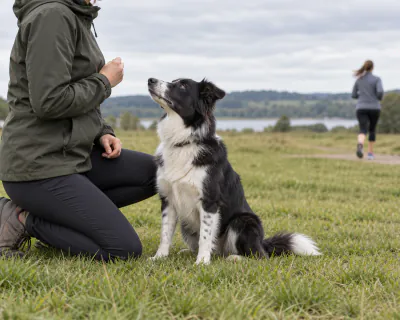
How to teach a dog a specific behaviour to perform when a trigger appears, built to fluency away from the trigger first, instead of only managing or suppressing the unwanted response.
Read guide
A boundary is a consistent line applied the same way regardless of mood or who is in the room. Most confusion comes from inconsistency, not from the boundary itself.
Read guide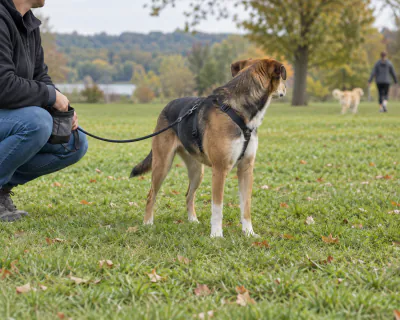
A dog that ignores treats or a known cue is not automatically stubborn, and offering a higher-value treat is not automatically the fix. Here is how to work out what is actually happening.
Read guide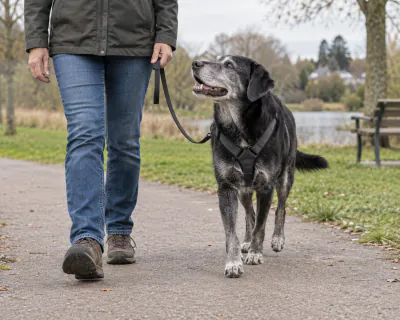
Why a mature dog with a years-long rehearsed pattern is a genuinely different training problem from teaching a puppy the same skill, and what a realistic plan actually involves.
Read guide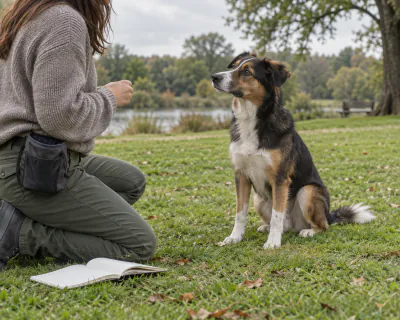
How to tell a stalled plan from one that just needs more time, the most common reasons progress stops, and what to try before abandoning an approach.
Read guide
Why management is a legitimate, often necessary training tool with a clear limit, and how to decide when it should stay permanent and when it should be a bridge to actual teaching.
Read guide
A practical way to decide which kind of professional to approach first, since a trainer, a behaviourist and a vet solve genuinely different problems.
Read guide
"Force-free", "balanced", "certified", a specific organisation's name: why none of these labels are a reliable stand-in for actually checking what a trainer does.
Read guide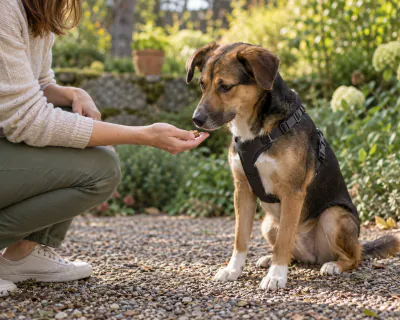
Food is a genuinely useful training tool, but presenting it is not the same as having a plan, and knowing the difference explains most stalled training.
Read guide
Why two adult dogs of the same breed and weight can need different amounts of food, and how to build a feeding routine around the dog in front of you.
Read guide
Why dogs bark in different situations for different reasons, and why identifying the type matters before trying to change it.
Read guide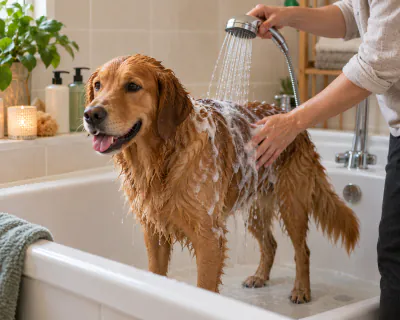
How often to bathe a dog, why over-bathing and under-bathing both cause problems, and a practical step-by-step approach.
Read guide
How body condition scoring works, why it tells you more than a number on a scale, and why muscle condition needs assessing separately from body fat.
Read guide
Why breed research describes tendencies rather than guarantees, and how to weigh it against the individual dog actually in front of you.
Read guide
Why chewing is normal at every life stage, how to redirect it safely, and when it signals boredom or anxiety.
Read guide
Why supervision, clear rules and a respected retreat space matter more than trust in the early weeks together.
Read guide
What to check about a groomer's facility, handling approach and qualifications before booking, and the red flags worth walking away from.
Read guide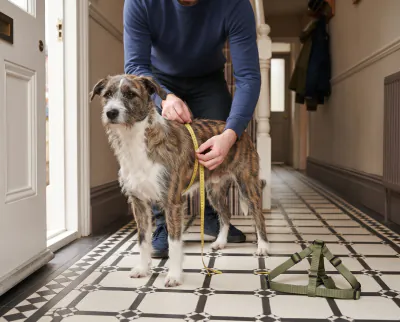
How to measure a dog, read a size chart properly and check that a harness fits before you rely on it.
Read guide
The kinds of cognitive changes that can appear with age, why they overlap with other explanations, and why a veterinary assessment matters rather than assuming they are simply old age.
Read guide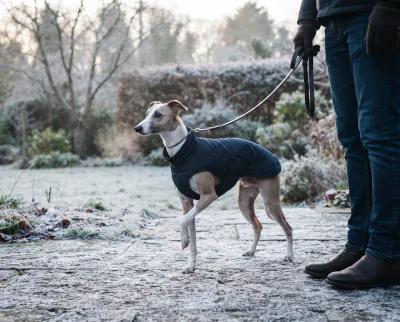
Which dogs feel the cold most, practical protective steps for winter walks, and how to tell early cold stress from a genuine emergency.
Read guide
How to fit a flat collar correctly, when a snug or loose fit matters and which safety features to check.
Read guide
The errors that cause most early puppy problems, why they happen and what to do instead.
Read guide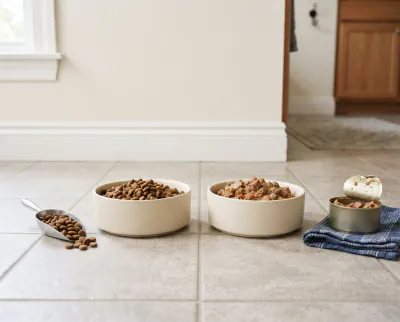
An even-handed look at kibble, wet food and mixed feeding, covering cost, hydration, dental factors and what actually suits an individual dog.
Read guide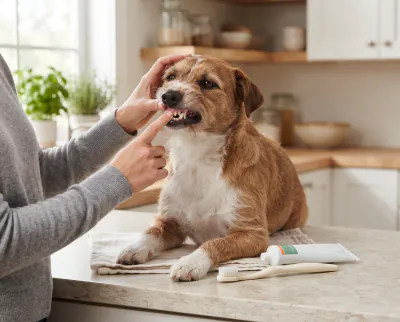
How to build a realistic tooth-brushing habit and recognise the signs that mean a dental problem needs a vet rather than a toothbrush.
Read guide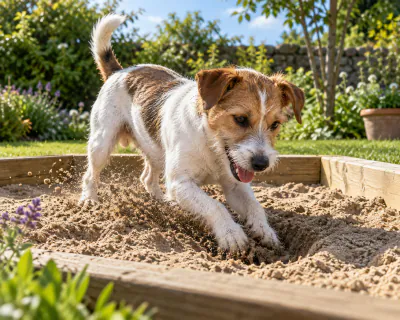
The common reasons dogs dig, why punishing it after the fact rarely works, and how to channel the behaviour sensibly.
Read guide
How to keep dry, wet and raw food fresh, safe and nutritionally sound between the shop and the bowl.
Read guide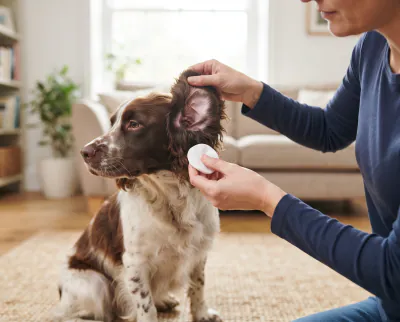
How to check a dog's ears safely, what a healthy ear looks like, and which signs mean a vet visit rather than a home cleaning routine.
Read guide
Why under-stimulation is a genuine welfare issue, the signs to watch for, and how to build variety into a dog's week beyond the daily walk.
Read guide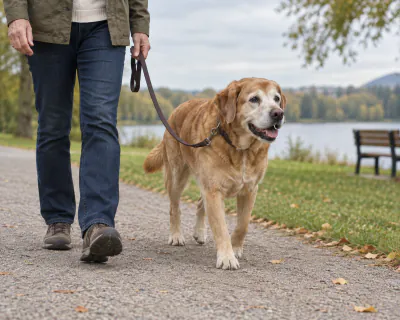
How to adjust an ageing dog's exercise routine proactively, before any specific mobility problem appears, rather than only reacting to one.
Read guide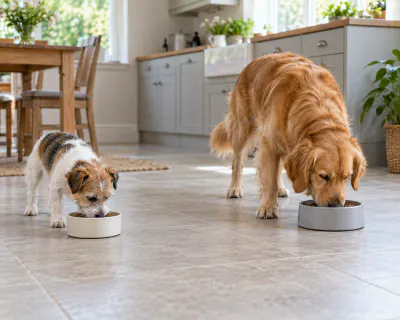
Practical routines for feeding several dogs safely, fairly and according to each dog's own needs.
Read guide
Five practical priorities for helping a new puppy settle safely into home life.
Read guide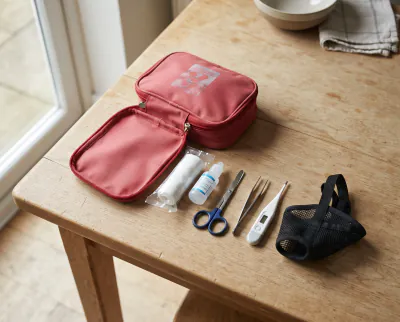
What a sensible basic canine first aid kit contains, and the clear limits of what home first aid should attempt before reaching a vet.
Read guide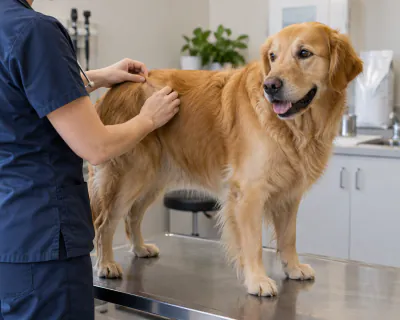
The genuine difference between a true food allergy and a more common food intolerance, and why a proper diagnosis needs veterinary guidance.
Read guide
How to read the calculator's estimate as a starting range, keep the inputs accurate, and check it against your dog's real body condition.
Read guide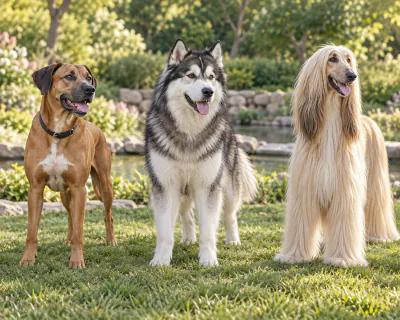
How grooming needs and technique differ across short, double, long, curly and wire coats, and why coat type matters more than breed size.
Read guide
What slicker brushes, undercoat rakes, combs, scissors and clippers are each actually for, and how to match tools to coat type.
Read guide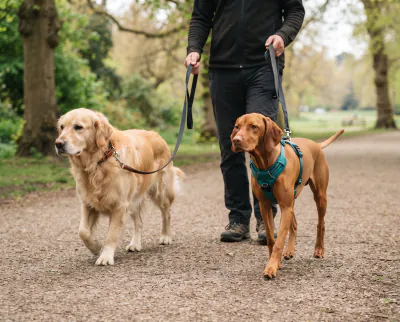
How fit, comfort, control and lead skills affect the choice between a harness and a flat collar.
Read guide
How to assess, manage and gradually improve a dog's ability to stay calm when nobody is home.
Read guide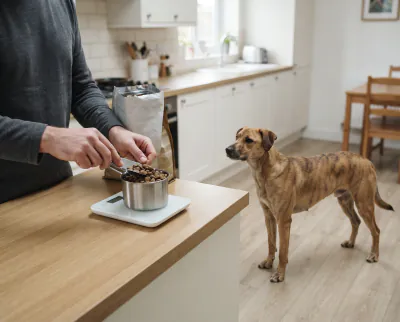
How to work with your vet, measure meals accurately and keep an adult dog in steady condition over the years.
Read guide
Practical changes to flooring, furniture access and the wider home that make daily life easier for a dog as it ages.
Read guide
A gradual approach to making a crate a comfortable resting place without force or punishment.
Read guide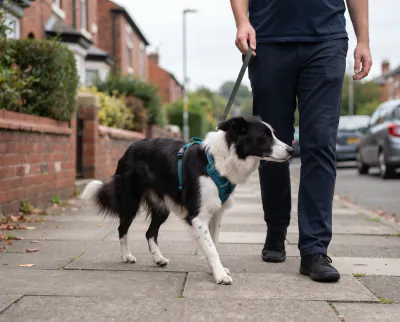
A step by step method for teaching loose lead walking, from indoor practice to busy pavements.
Read guide
Why constant access to fresh water matters, what changes how much a dog drinks, and when a change in drinking is worth a vet visit.
Read guide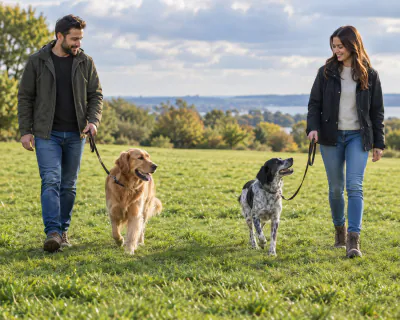
A practical guide to introducing dogs at home or on neutral ground, reading how it is going, and knowing when to slow down or get help.
Read guide
Why dogs jump up to greet people, and why consistency across the household matters more than any single technique.
Read guide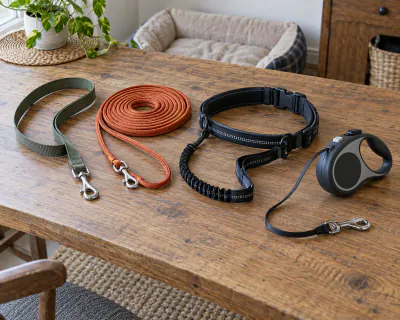
A practical comparison of fixed leads, long lines, hands-free leads and retractable leads, and where each one suits a walk.
Read guide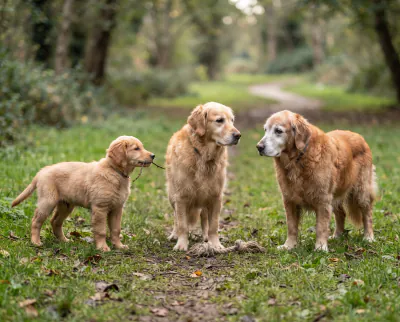
Why a dog's nutritional needs change from puppyhood through adulthood to the senior years, and how to recognise when a transition is approaching.
Read guide
A practical way to work through the time, space, household and financial factors that actually decide whether a dog will fit your life.
Read guide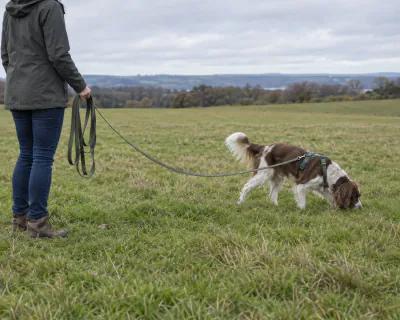
How to choose, attach and handle a long line correctly so it adds safe freedom rather than a tangle or an injury risk.
Read guide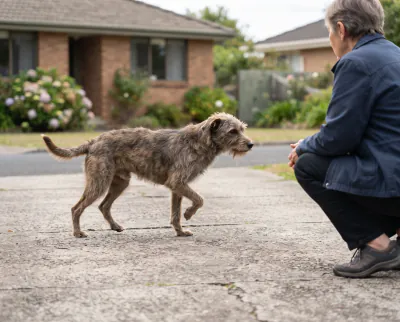
How to observe and describe a change in a dog's movement usefully, and why both sudden and gradual mobility changes deserve a veterinary check.
Read guide
Practical day-to-day management for a settled multi-dog household, from feeding and resources to spotting early tension between housemates.
Read guide
How to tell a dog's nails are too long, build tolerance for trimming, and decide between doing it yourself and booking a professional.
Read guide
How to recognise noise stress in dogs, manage it during fireworks and storms, and know when it needs more than home management.
Read guide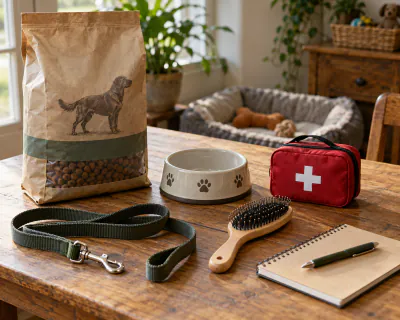
A realistic look at the ongoing costs of dog ownership, beyond the purchase or adoption fee, and why they vary so much by dog.
Read guide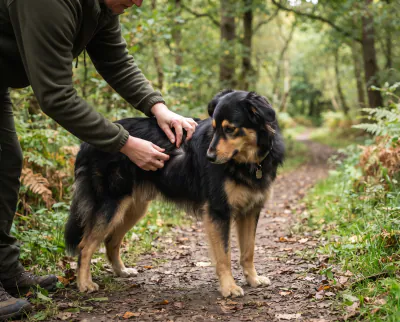
Why prevention beats treating an established infestation, and why product choice and frequency should come from your vet rather than a generic routine.
Read guide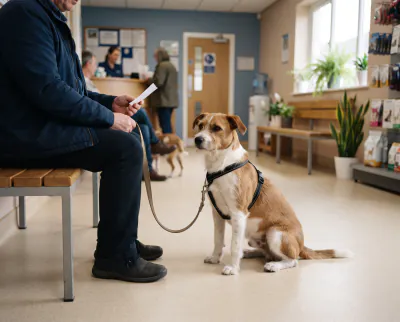
How to prepare a written history, the right paperwork and a calm dog so a routine or non-urgent vet visit is genuinely useful.
Read guide
A room by room and garden plan for making the house safe and workable before your puppy arrives.
Read guide
How to build a puppy's tolerance for being alone in small steps from the start, before it is ever tested by a full day out.
Read guide
How sleep, meals, toileting and short training sessions fit together once the first week has passed.
Read guide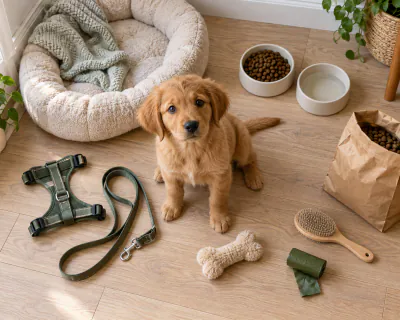
A scannable list of what to have ready before or soon after a puppy arrives, and why each item matters.
Read guide
Why growing puppies need a formulated growth food, how feeding frequency changes with age, and why more food does not mean faster healthy growth.
Read guide
An hour-by-hour feel for collection day itself, from the journey home to the first night.
Read guide
What changes between day one and day seven, and what to prioritise as the initial shock wears off.
Read guide
Why starting grooming early as a calm, positive routine matters more than the coat type a puppy will eventually grow.
Read guide
What a puppy's early vet visits typically cover, and which early-weeks signs mean it is time to call before the next scheduled appointment.
Read guide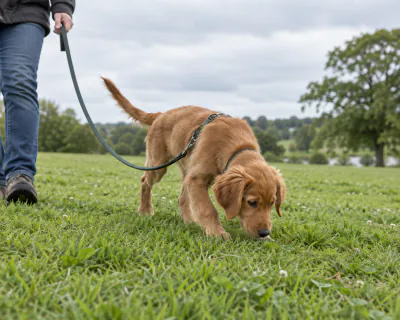
Why puppy exercise is about controlled, varied activity rather than distance, and how to read the signs of doing too much.
Read guide
How much sleep young puppies typically need, what a good sleeping setup looks like, and which patterns warrant a vet check.
Read guide
A week by week plan for introducing a puppy to everyday life at a pace they can actually cope with.
Read guide
An even-handed look at what puppies and adult dogs each demand and offer, so the choice rests on genuine lifestyle fit rather than assumption.
Read guide
Why quality of life is best assessed across several dimensions over time, and why honest, ongoing conversations with a vet matter more than a single crisis-point decision.
Read guide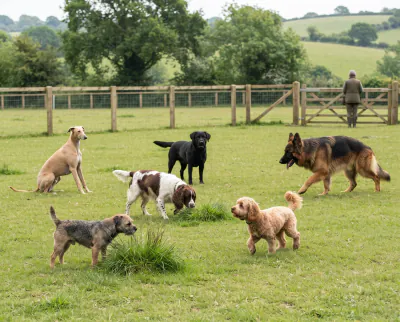
The questions that matter before picking a breed, covering daily life, exercise, grooming, health and where the dog comes from.
Read guide
What owners weigh up when considering raw or home-cooked feeding, and how to reduce the real risks if you choose that route.
Read guide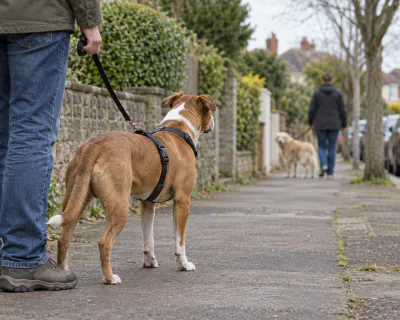
What reactivity actually is, why it happens, and why meaningful improvement needs individual professional assessment rather than a generic online plan.
Read guide
A practical walkthrough of the completeness statement, ingredients list, analysis figures and feeding guideline on a dog food label.
Read guide
The behavioural and physical signs that suggest a dog is uncomfortable, and why they are a reason to book a vet visit rather than to guess a cause.
Read guide
A clear reference on scam patterns and low-welfare breeding warning signs to watch for, and what to do if something feels wrong.
Read guide
A practical list of questions for the rescue and adoption route, covering history, assessment, support and what a settling-in period usually looks like.
Read guide
What the breeder route and the rescue route each typically involve, and the genuine trade-offs between them.
Read guide
A practical list of questions and red flags for assessing a breeder, covering health screening, socialisation and what happens if things go wrong.
Read guide
A simple weekly and monthly routine for knowing what normal looks like on your dog, so genuine change gets noticed early.
Read guide
How to change a dog's food gradually to avoid digestive upset, and what warning signs mean a transition needs pausing.
Read guide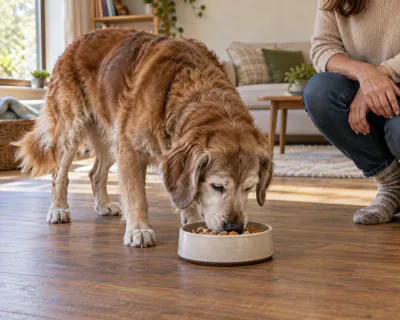
Why older dogs commonly need less food but sometimes need more, and how to adjust a senior dog's diet around its actual condition rather than a fixed formula.
Read guide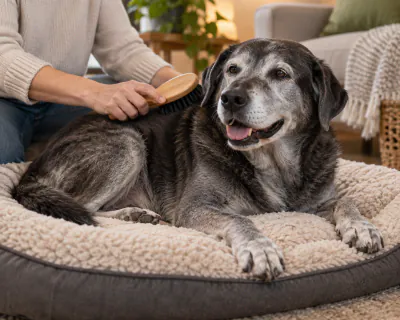
How grooming technique should adapt as a dog ages, from gentler handling to shorter sessions and extra care around sore joints.
Read guide
Why older dogs often benefit from more frequent vet monitoring, and which changes are easy to dismiss as simple ageing.
Read guide
How a dog's daily rhythm typically shifts with age, and why a stable, predictable routine matters more in later life rather than less.
Read guide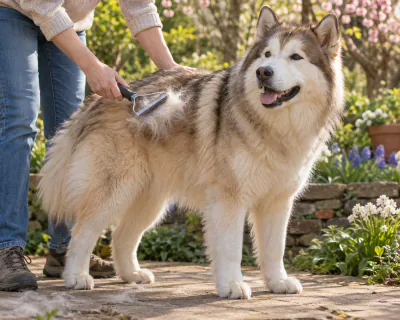
Why many double-coated dogs shed heavily at certain times of year, how to manage a heavy shed, and when hair loss looks different from normal.
Read guide
A scannable reference for telling emergency signs apart from concerning-but-not-always-urgent ones, so you know how quickly to act.
Read guide
A simple hands-on routine for spotting changes in a dog's skin and coat early, and knowing which findings need a vet look.
Read guide
Why slowing down fast eaters helps, practical slow-feeder options, and how to use a dog's daily ration for enrichment rather than extra calories.
Read guide
How to teach a dog to relax on a mat at home and in public, and what to do when calm never arrives.
Read guide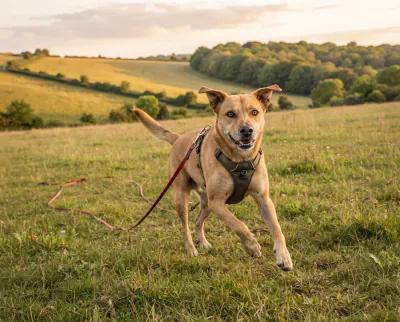
How to build a recall cue that holds up around distractions, using a long line and structured practice.
Read guide
How dogs regulate heat, which dogs face higher risk, and how to tell early heat stress from a genuine heatstroke emergency.
Read guide
The equipment options for restraining a dog in a car, why it matters and the legal and practical points to check.
Read guide
How training treats and extras quietly add up, and practical ways to keep them a small part of a dog's daily calories without losing their training value.
Read guide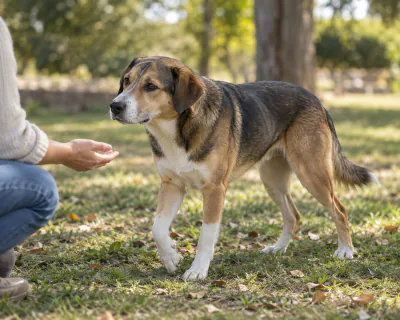
A practical guide to reading a dog's calming signals, play signals and warning signs before they escalate.
Read guide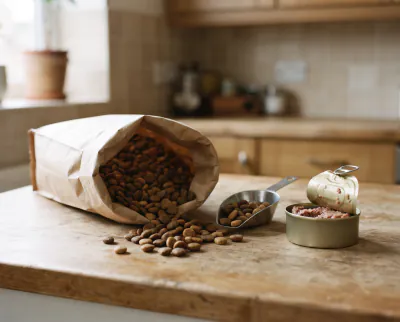
What "complete" actually means on a dog food label, why life stage changes what a dog needs, and why price is not a reliable guide to quality.
Read guide
How to manage traffic, crowds, close-contact greetings and constant stimulation on city and town walks.
Read guide
How to get useful results from the Dog Breed Finder, and what its shortlist can and cannot tell you about a specific dog.
Read guide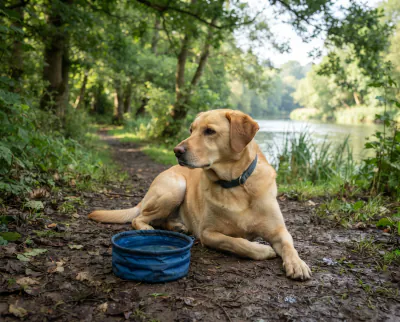
Practical precautions for British summer walks, including pavement checks, timing, shade and when to call the vet.
Read guide
How reflective equipment, route choice and extra caution combine to keep a dog walk safe when visibility is poor.
Read guide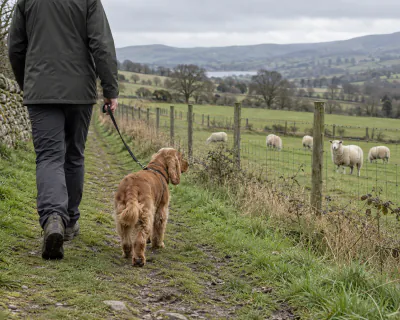
Why close control around farm animals matters, the genuine risks involved, and the counterintuitive advice for a cattle chase.
Read guide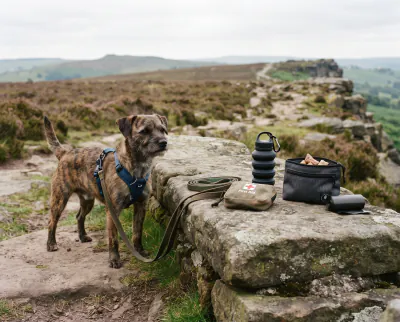
A practical kit list for daily walks, longer countryside routes and the situations that catch owners out.
Read guide
What to note down in the moment a symptom worries you, so a phone triage can prioritise your dog correctly.
Read guide
How to recognise situations that need professional help, how a good referral pathway works, and what to look for and avoid when choosing help.
Read guideNo guides match the current search and filters. Adjust the filters or reset everything to see all guides.